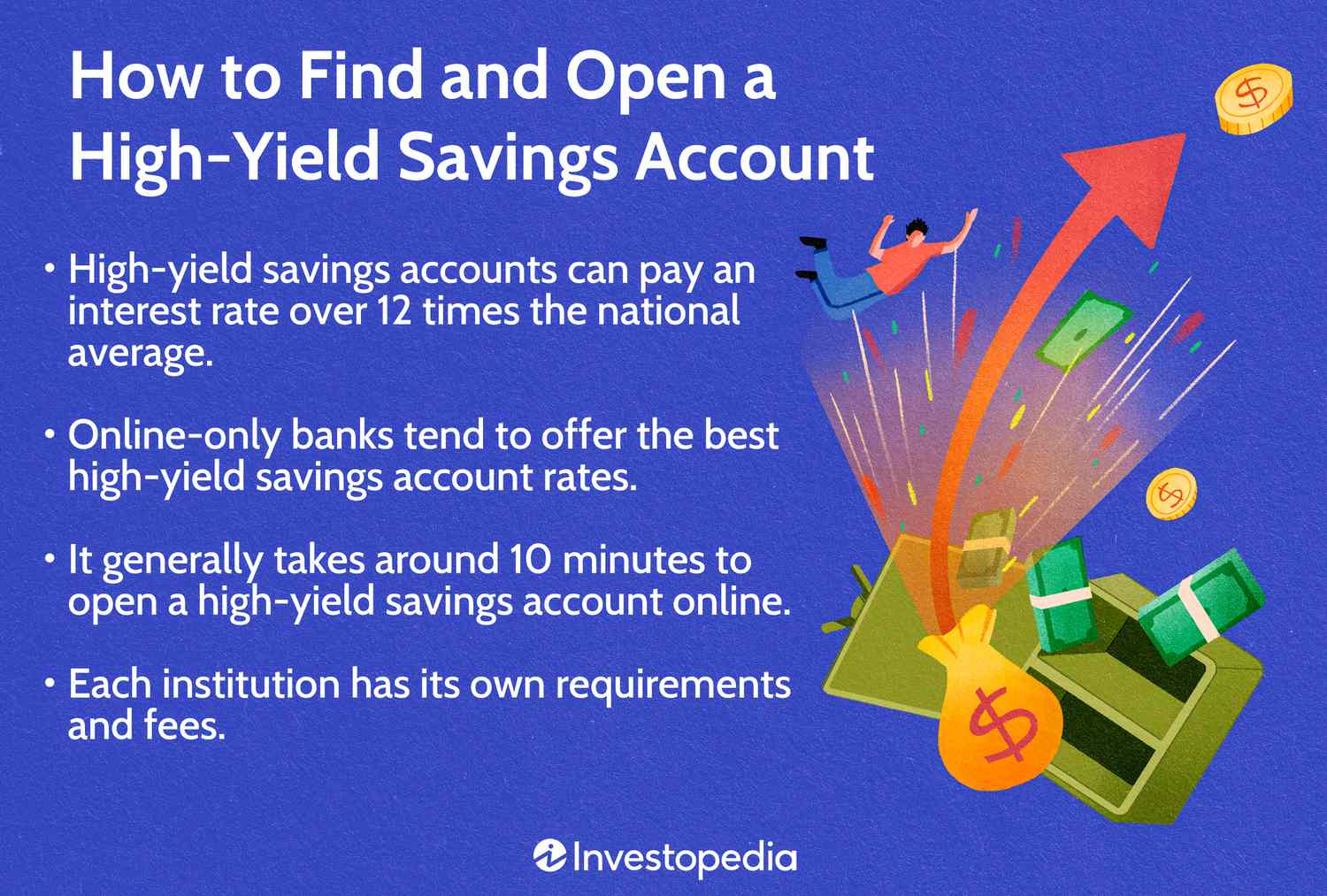
Saving money shouldn’t feel complicated—or boring. Yet with so many banks, apps, and flashy offers floating around, choosing the right savings account can feel overwhelming. Should you chase the highest interest rate? Stick with your regular bank? Try something new?
With rising living costs in both the US and the UK, more people are rethinking where they park their savings—and whether their bank is really working for them.
If you’ve ever asked yourself those questions, you’re not alone.
Based on real-world use and what actually works for everyday savers, here are the 7 best savings account options to consider right now—explained in plain language, without hype.
Most reputable savings accounts are protected by government-backed deposit insurance, such as FDIC insurance in the US or FSCS protection in the UK, which helps keep your money secure up to the allowed limits.
Where This Matters Most for US and UK Savers
Savings habits aren’t one-size-fits-all, especially across countries.
In the US:
- High yield savings accounts are commonly used for emergency funds
- Online banks are popular due to higher interest rates
- Many people keep savings separate from daily checking accounts
In the UK:
- Easy-access savings accounts are widely preferred
- Interest rates can vary significantly between providers
- FSCS protection is a key trust factor when choosing a bank
If you’re saving for something specific—like a house deposit, travel, or a financial cushion—choosing the right account type makes a noticeable difference.
1. High-Yield Savings Accounts (Best for Faster Growth)
If your savings account is earning close to zero, it’s quietly costing you money.
A high yield savings account typically offers significantly better interest than traditional banks, while still keeping your money accessible.
Why people love them:
- Higher interest rates than standard savings accounts
- Easy online access and mobile apps
- Often no monthly maintenance fees
Things to watch:
- Rates can change over time
- Mostly online, so no physical branches
💡 Real-life tip: I keep my emergency fund in a high yield savings account. It’s not risky, but it grows faster than a regular bank account—and that adds up over time.
2. Traditional Bank Savings Accounts (Best for Simplicity)
These are the savings accounts most people start with—the ones offered by large, well-known banks.
They’re not exciting, but they’re familiar.
Good fit if you value:
- Branch access and in-person support
- Easy transfers with your checking account
- A simple, no-learning-curve setup
Downside:
- Interest rates are usually very low
If you prefer face-to-face banking or already have everything with one bank, this option still makes sense. Just don’t expect big returns.
3. Online-Only Savings Accounts (Best for Low Fees)
Online banks often combine the best of both worlds: decent interest rates and fewer fees.
Because they don’t maintain physical branches, they pass those savings to customers.
Why they stand out:
- Competitive interest rates
- Minimal or zero fees
- Clean, easy-to-use apps
Keep in mind:
- Customer support is usually online or by phone
- Cash deposits can be inconvenient
For many people, this ends up being the sweet spot between convenience and returns.
4. Credit Union Savings Accounts (Best for Community Feel)
Credit unions don’t get enough attention—but they should.
They’re member-owned, not profit-driven, which often means better service and fairer terms.
Benefits include:
- Lower fees
- Personalized customer service
- Often better rates than big banks
Small catch:
- You usually need to qualify for membership
If you like supporting community-focused institutions, this is a solid option worth checking.
5. Money Market Savings Accounts (Best for Flexibility)
Money market savings accounts sit somewhere between a savings account and a checking account.
They usually offer better interest rates and limited check-writing or debit card access.
Why they’re useful:
- Higher balance limits
- Better interest than basic savings
- Some spending flexibility
Trade-offs:
- Higher minimum balance requirements
- Fewer withdrawals allowed
This works well if you want your savings to grow but still want occasional access.
6. Savings Accounts with Automatic Tools (Best for Habit Builders)
Some banks focus less on rates and more on behavior—helping you save without thinking too much about it.
They offer features like:
- Automatic round-ups from purchases
- Scheduled transfers
- Goal-based savings buckets
Great for:
- People who struggle to save consistently
- Beginners building their first savings habit
The interest may not be the highest, but consistency often beats perfection. Would you rather earn a bit less interest—or not save at all?
7. Short-Term Promotional Savings Accounts (Best for Timing)
Occasionally, banks offer special promotional rates for new customers.
These can be attractive if you’re comfortable moving money when needed.
Pros:
- Temporarily higher interest rates
- Good for short-term goals
Cons:
- Rates usually drop after the promo period
- Requires active management
Used wisely, these accounts can boost returns—but they’re not ideal for set-it-and-forget-it savers.
How to Choose the Right Savings Account for You
There’s no single “best” savings account for everyone. The right choice depends on how you actually use your money.
Ask yourself:
- Is this for emergencies or short-term goals?
- Do I need frequent access to the money?
- Do I prefer online banking or in-person service?
For many people, a high yield savings account paired with a basic checking account works beautifully. Simple. Efficient. Low stress.
A Few Practical Tips Before You Open an Account
- Check fees first. Even small monthly fees eat into savings.
- Look at withdrawal limits. Some accounts restrict how often you can access funds.
- Don’t chase rates blindly. A slightly lower rate with better usability can be worth it.
Saving isn’t about winning some banking game. It’s about making steady progress while keeping your life easy.
Final Thought
The best savings account is the one you’ll actually use—consistently and confidently. Whether that’s a high yield savings account, a trusted local bank, or an online option with smart tools, the goal is the same: protect your money and help it grow.
So, which one fits your style right now?
Frequently Asked Questions (FAQs)
1. What is a high yield savings account?
A high yield savings account is a savings account that offers a higher interest rate than traditional banks, usually provided by online banks or financial institutions with lower operating costs. It helps your money grow faster while remaining relatively easy to access.
2. Are high yield savings accounts safe?
Yes. Most high yield savings accounts are protected by government-backed deposit insurance (such as FDIC or equivalent, depending on the country). This means your money is protected up to a certain limit, just like with traditional banks.
3. How much money should I keep in a savings account?
That depends on your goals. Many financial experts suggest keeping 3–6 months of essential expenses in a savings account for emergencies. For short-term goals like travel or a major purchase, savings accounts are also a smart choice.
4. Can I withdraw money anytime from a savings account?
Yes, but some savings accounts limit the number of withdrawals per month. Exceeding those limits may result in fees or restrictions, so it’s always good to check the terms before opening an account.
Read also: Credit Card vs Debit Card: Which Is Safer for Online & Travel Payments?
How Credit Card Interest (APR) Really Works – Simple Explanation With Real Examples
Investment Guide for GCC Professionals: How to Grow Your Money Smartly

Savings Account Comparison Table
| Account Type | Interest Potential | Access | Fees | Best For (US & UK Readers) |
|---|---|---|---|---|
| High Yield Savings Account | High | Online | Low | Emergency savings, inflation protection |
| Traditional Bank Savings | Low | Branch & online | Medium | Everyday convenience |
| Online Savings Account | Medium–High | Online | Very low | Fee-conscious savers |
| Credit Union Savings | Medium | Branch & online | Low | Relationship-based banking |
| Money Market Savings | Medium | Limited | Low–Medium | Larger balances |
Leave a Reply