
A Sudden End to a Long-Standing Pizza Brand
Gina Maria’s Pizza, a long-standing regional restaurant chain, has filed for bankruptcy after shutting down all four of its locations. The sudden closure highlights growing financial pressure in the restaurant industry and raises serious concerns for investors. Rising costs, declining margins, and changing consumer habits are now forcing small chains to exit the market. This bankruptcy provides important lessons for investors evaluating restaurant and hospitality businesses in 2026.

The closure reflects a broader transformation occurring across the restaurant industry, particularly affecting small regional chains that struggle to compete with large national brands and technology-driven food delivery ecosystems. For investors, the bankruptcy provides a real-world case study in risk assessment, capital allocation, and operational sustainability.
This article examines the background of the company, the financial realities behind the bankruptcy, and most importantly, the implications for investors evaluating restaurant and hospitality businesses.
The Rise of a Regional Pizza Favorite
Gina Maria’s Pizza began as a neighborhood-focused pizzeria serving traditional thin-crust pizza and family-style meals. Over time, it expanded to four locations in suburban communities. The business model relied heavily on dine-in customers, repeat local clientele, and word-of-mouth marketing.
Unlike national chains, Gina Maria’s Pizza did not aggressively expand through franchising. Instead, it maintained a controlled regional footprint. This approach initially worked well because:
- Operating costs were manageable
- Competition was limited
- Customer loyalty remained strong
- Local brand recognition grew organically
However, this same limited expansion later became a disadvantage. Without scale, the company struggled to negotiate better supplier pricing, invest in technology, or diversify revenue streams.
Best Dividend ETFs for 2026: Top Picks for Passive Income
Related: Buy These 10 ETFs if You Want to be Rich in 2026
Vanguard vs BlackRock ETFs: Which Performs Better and Why Investors Are Talking About It
ETF vs Mutual Fund: Complete Guide for Investors in 2026
Investment Guide for GCC Professionals: How to Grow Your Money Smartly
Leave a Reply
The Closure of Four Locations
The first sign of trouble came when all four restaurants closed unexpectedly. The closures affected locations in suburban markets that traditionally supported family-owned dining businesses. Employees were laid off, suppliers were left unpaid, and customers were left wondering what had happened.
Soon after, bankruptcy filings revealed that the company had significant liabilities compared to its remaining assets. The financial imbalance left little room for restructuring. Instead, liquidation became the only viable option.
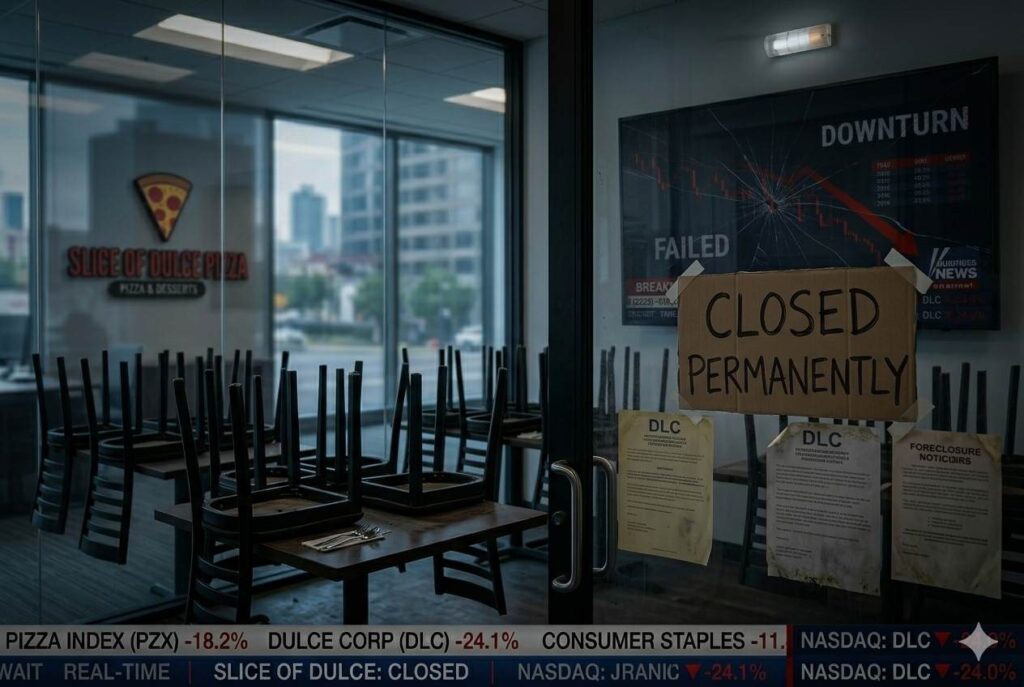
The shutdown illustrates how quickly a stable-looking restaurant chain can collapse once liquidity dries up.
Financial Breakdown of the Business Failure
A deeper look at the financial structure helps explain the collapse.
High Liabilities
The company accumulated millions in debt, including vendor payments, lease obligations, and operational expenses. This created ongoing financial pressure.
Limited Assets
When a business has low tangible assets, lenders and creditors have limited recovery options. In this case, the company’s assets were insufficient to cover outstanding liabilities.
Cash Flow Problems
Restaurants rely heavily on consistent daily cash flow. Even a few months of declining sales can create:
- Payroll delays
- Supplier payment issues
- Rent arrears
- Equipment financing defaults
Once cash flow is interrupted, recovery becomes difficult.
Changing Consumer Behavior Hurt Regional Chains
Consumer behavior has shifted dramatically in recent years. Several trends negatively impacted smaller pizza chains:
Growth of Delivery Apps
Customers now prefer ordering through digital platforms. Restaurants without strong delivery integration lose market share.
Price Sensitivity
Rising food prices caused consumers to look for cheaper options. National chains offer aggressive promotions, which regional chains struggle to match.
Home Cooking Trend
Post-pandemic habits saw more people cooking at home, reducing dine-in traffic.
Competition from Supermarkets
Retail stores now sell ready-to-bake pizzas at lower prices, creating additional competition.
These factors reduced foot traffic and average order value.
Operational Cost Pressures
Cost inflation played a major role in the bankruptcy.
Food Cost Inflation
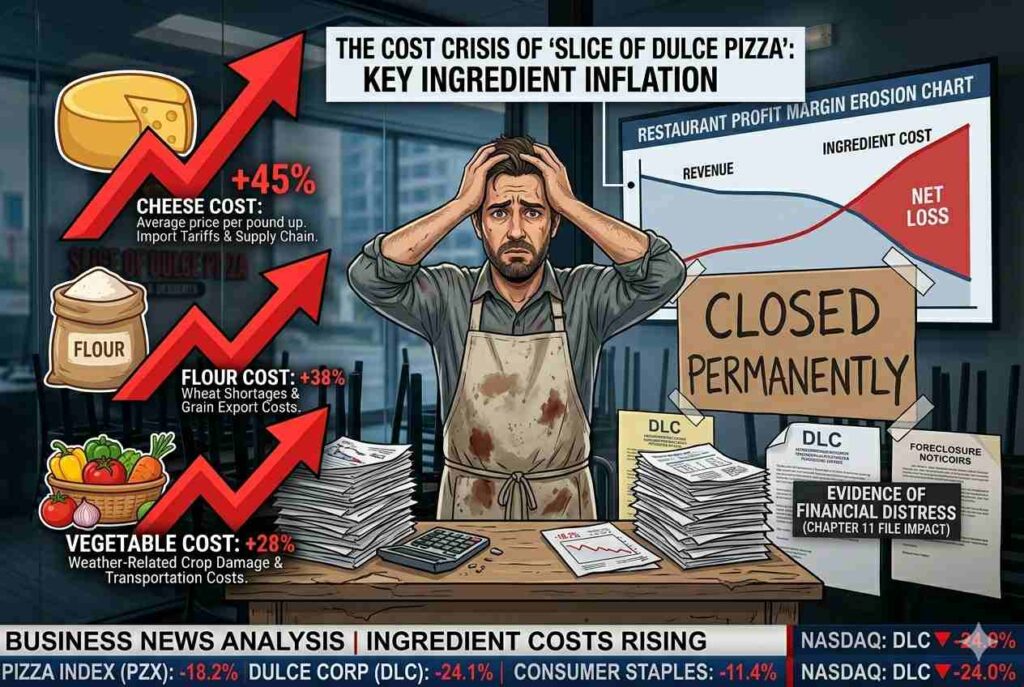
Key ingredients like cheese, flour, and meat became significantly more expensive. Smaller chains lack bulk purchasing power, which means higher per-unit costs.
Labor Costs
Labor shortages forced restaurants to increase wages. Additionally, overtime costs increased due to understaffing.
Rent and Utilities
Commercial rents and energy costs rose. Pizza ovens consume large amounts of electricity and gas, further increasing expenses.
Delivery Platform Fees
Third-party delivery apps charge commissions that can exceed 25%. This cuts into already thin margins.
Together, these cost pressures eroded profitability.
Case Study: Small Chain vs Large Pizza Brand
Consider a comparison between a regional pizza chain and a national brand.
National Brand Advantages
- Centralized purchasing
- Technology-driven ordering
- Marketing budgets
- Franchise expansion
- Data-driven pricing
Regional Chain Challenges
- Higher ingredient costs
- Limited marketing reach
- Manual ordering systems
- Smaller customer base
- Fixed overhead costs
The structural disadvantages make survival difficult without innovation.
Debt Accumulation as a Silent Killer
Many restaurant businesses fail not because of declining demand, but because of excessive debt.
Debt typically builds through:
- Equipment financing
- Lease agreements
- Vendor credit
- Expansion loans
- Working capital borrowing
If sales decline even slightly, debt servicing becomes difficult. Interest payments reduce operating capital, creating a cycle of financial stress.
Gina Maria’s Pizza appears to have fallen into this trap.
Investor Perspective: Why This Matters
For investors, this bankruptcy highlights several critical lessons.
1. Regional Restaurant Chains Carry Higher Risk
Local chains depend heavily on specific markets. Economic downturns in one region can severely impact revenue.
2. Lack of Scale Reduces Profitability
Without multiple locations, purchasing costs remain high and margins shrink.
3. Technology Investment is Essential
Online ordering and customer data systems are no longer optional.
4. High Debt Increases Failure Probability
Debt amplifies risk during revenue downturns.
Hypothetical Investor Loss Scenario
Imagine an investor who funded a small pizza chain with $500,000 expecting expansion.
Expected Outcome
- Open new locations
- Increase brand value
- Sell stake at profit
Actual Outcome
- Rising costs
- No expansion
- Declining traffic
- Bankruptcy
Investor loses majority of capital.
This scenario is common in hospitality investments.
Case Study: Successful Small Chain Strategy
Some regional chains survive by adopting hybrid models.
Example Strategy
- Limited dine-in
- Strong delivery focus
- Digital loyalty programs
- Cloud kitchen expansion
- Low-cost menu engineering
These businesses remain profitable even without national scale.
Impact on Employees
Restaurant closures affect multiple categories of workers:
- Kitchen staff
- Servers
- Managers
- Delivery drivers
- Cleaning teams
Sudden closures leave employees without income and benefits. This creates ripple effects in local economies.
Impact on Suppliers
Food suppliers often extend credit to restaurants. When a business files for bankruptcy:
- Payments may remain unpaid
- Inventory losses occur
- Supplier cash flow is affected
This increases risk for small distributors.
Impact on Landlords
Restaurant closures create vacant commercial spaces. Landlords face:
- Lost rental income
- Tenant replacement costs
- Renovation expenses
Vacant restaurant spaces are harder to lease due to specialized infrastructure.
Industry Trend: Rising Restaurant Bankruptcies
Gina Maria’s Pizza is not an isolated case. Several factors contribute to rising failures:
- Inflation
- Labor shortages
- High interest rates
- Changing consumer habits
- Technology disruption
Smaller chains are most vulnerable.
Investor Strategy Moving Forward
Investors should evaluate restaurant opportunities carefully.
Key Evaluation Metrics
- Debt-to-equity ratio
- Same-store sales growth
- Digital ordering percentage
- Food cost percentage
- Labor cost ratio
Strong financial discipline reduces risk.
Case Study: Franchise Model Success
Franchise-based pizza chains perform better because:
- Local operators manage costs
- Expansion is asset-light
- Corporate provides marketing
- Risk is distributed
This model attracts investors seeking scalability.
Lessons for Restaurant Operators
Operators can avoid similar failures by:
- Controlling overhead
- Investing in delivery channels
- Negotiating supplier contracts
- Offering dynamic pricing
- Reducing menu complexity
Operational efficiency improves survival chances.
Impact on Restaurant Industry Valuations
Investors may now value small restaurant chains more conservatively. This could lead to:
- Lower acquisition multiples
- Reduced funding for expansion
- Increased focus on profitability
The emphasis is shifting from growth to sustainability.
Long-Term Outlook for Pizza Segment
Despite this bankruptcy, pizza remains a strong category. However, success depends on:
- Technology adoption
- Delivery optimization
- Cost control
- Brand differentiation
Traditional dine-in-only models are declining.
Hospitality Industry Relevance
The lessons extend beyond pizza chains. Hotels and banquet operations face similar risks:
- Rising food costs
- Labor challenges
- Changing guest expectations
Diversified revenue streams improve stability.
Key Investor Takeaways
- Small chains require strong cash reserves
- Debt increases vulnerability
- Technology drives growth
- Scale improves margins
- Diversification reduces risk
Investors must prioritize operational resilience.
Conclusion
The bankruptcy of Gina Maria’s Pizza after closing four locations reflects deeper structural changes in the restaurant industry. Rising costs, shifting consumer behavior, and limited scale contributed to the collapse of a once-stable regional brand.
For investors, the case highlights the importance of financial discipline, scalable business models, and technology adoption. While restaurant investments can still be profitable, careful evaluation is essential.
The failure serves as a reminder that in today’s competitive food service landscape, long history and loyal customers are not enough. Businesses must evolve operationally and financially to survive.
Investors who learn from this case study can make smarter decisions and reduce risk in future hospitality investments.
FAQ Section
Why did Gina Maria’s Pizza file for bankruptcy?
The company faced rising operating costs, declining sales, and high debt levels, making it difficult to sustain operations.
How many locations did Gina Maria’s Pizza close?
The chain closed all four of its locations before filing for bankruptcy.
What type of bankruptcy was filed?
The company filed for Chapter 7 bankruptcy, meaning liquidation and permanent closure.
How does this impact investors?
Investors may view small restaurant chains as higher risk due to limited scale and rising operational costs.
Are more restaurant bankruptcies expected?
Yes, industry experts believe inflation and labor costs may lead to additional closures.
Author Bio
Savvy Moneywise Editorial Team covers finance news, investing ideas, savings strategies, and market developments in a simple and practical way. We focus on helping everyday readers understand complex money topics without confusing language.
Leave a Reply